Can the Pill Do It All? The Nutrient Conversation Nobody Has
Can the Pill Do It All?
Of all the drugs that have been developed in the history of medicine, only one has earned the mononymous title: 'the pill'. This Madonna of medication arrived on the scene in the early 60s, completely revolutionising women's lives and harnessing us with more control over our reproductive and sexual experiences than ever before. Not only can the oral contraceptive pill ease crippling period pain, hormonal acne and severe PCOS, but it's also allowed us to map our menstrual cycle, have sex for pleasure and not just for procreation, gain more control over our body and plan our career and parenthood paths, independently.
The pill isn't all liberation and perfectly timed periods.
A tough pill to swallow?
But it isn't all liberation and perfectly timed periods. It's readily prescribed, but less often dissected. Neuroscientist Belinda Pletzer notes, "When athletes take steroids we call it 'doping' – it's considered abuse and strongly condemned by society. But we're happy for millions of women to take these hormones every day, sometimes right through from puberty to menopause."
All versions of the pill contain a synthetic hormone combination of oestrogen and progesterones (progestin). These synthetic forms are not a perfect match for our natural hormones, and the impact of replacing them this way can be alarming. It has been linked to some unusual physical responses as a result. With some progestins made from male hormones, new research suggests this synthetic form has the ability to rewire our brains and influence the entire brain structure of the woman taking it. 83% of US women are on a version of the pill made with this progestin, simply because it's the more affordable option.
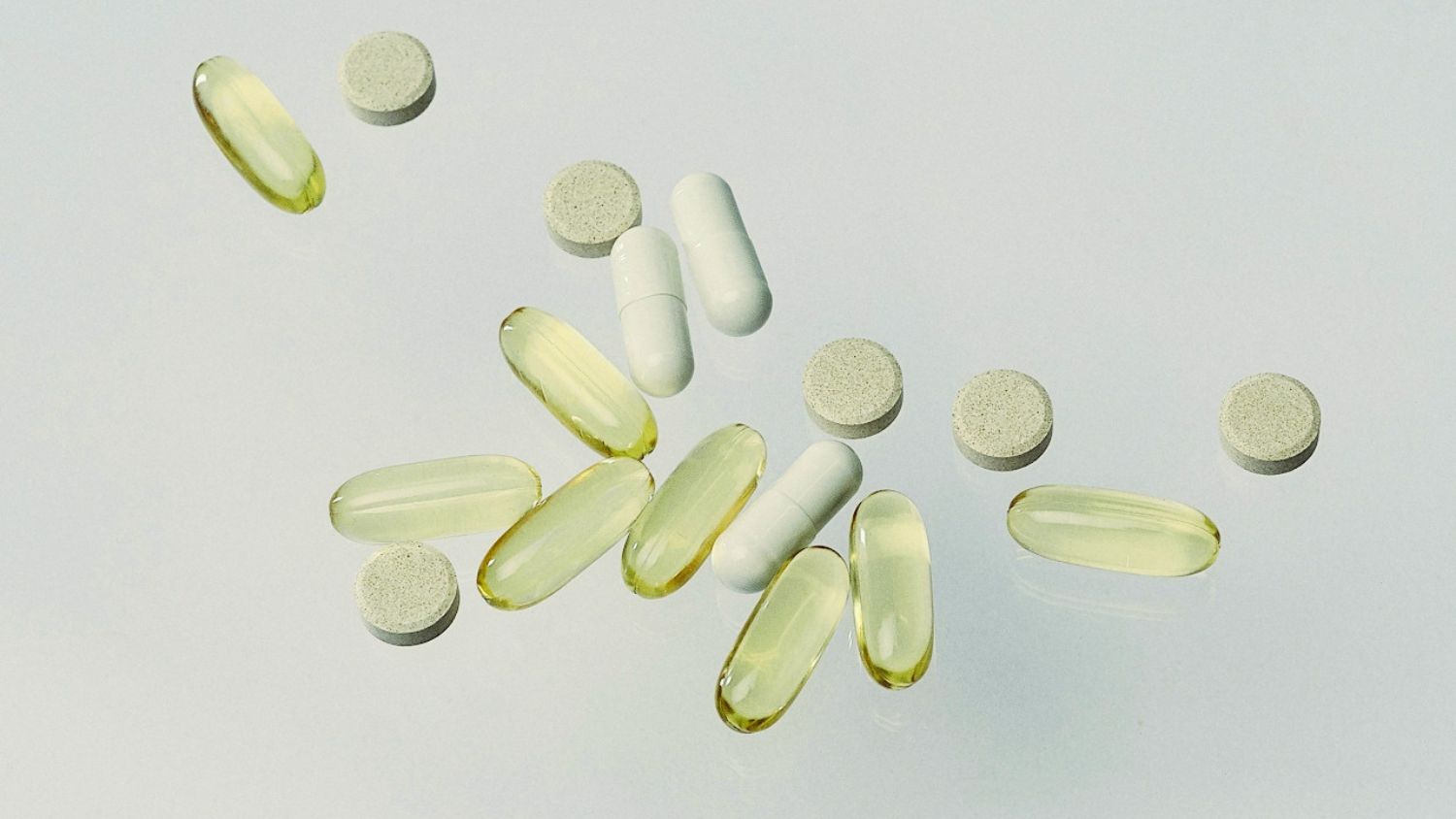
Taking the pill long term can also affect our nutritional makeup, and lead to deficiencies in essential vitamins and minerals. The most concerning nutrient depletions associated with the pill are:
- Folate
- B vitamins (B2, B6, B12)
- Vitamins C + E
- Minerals magnesium, selenium + zinc
Nutritional deficiency affects our energy and overall function. Deficiency in our reproductive years can also affect egg quality, foetal development and healthy maternal growth. Despite the clear link between the pill and its health repercussions, a nutritional top up while taking the pill is rarely discussed alongside writing our prescription.
Pill popping education
The pill remains one of the most commonly used contraceptive methods today, with 50–80% of Australian women using it at some stage during our reproductive lives. It's gifted us freedom and simplicity over our sexual lives by offering an effective form of contraception and a way to manage our cycle. But our pill isn't magic, and in addressing these health needs we accidentally prioritise one aspect of our health over the other.
At a time when women around the world are fighting for reproductive freedoms, it feels counter intuitive to suggest the pill may be problematic. We are grateful for the freedom it affords us, but is it too much to ask for our prescription to come with a more comprehensive and holistic education too?