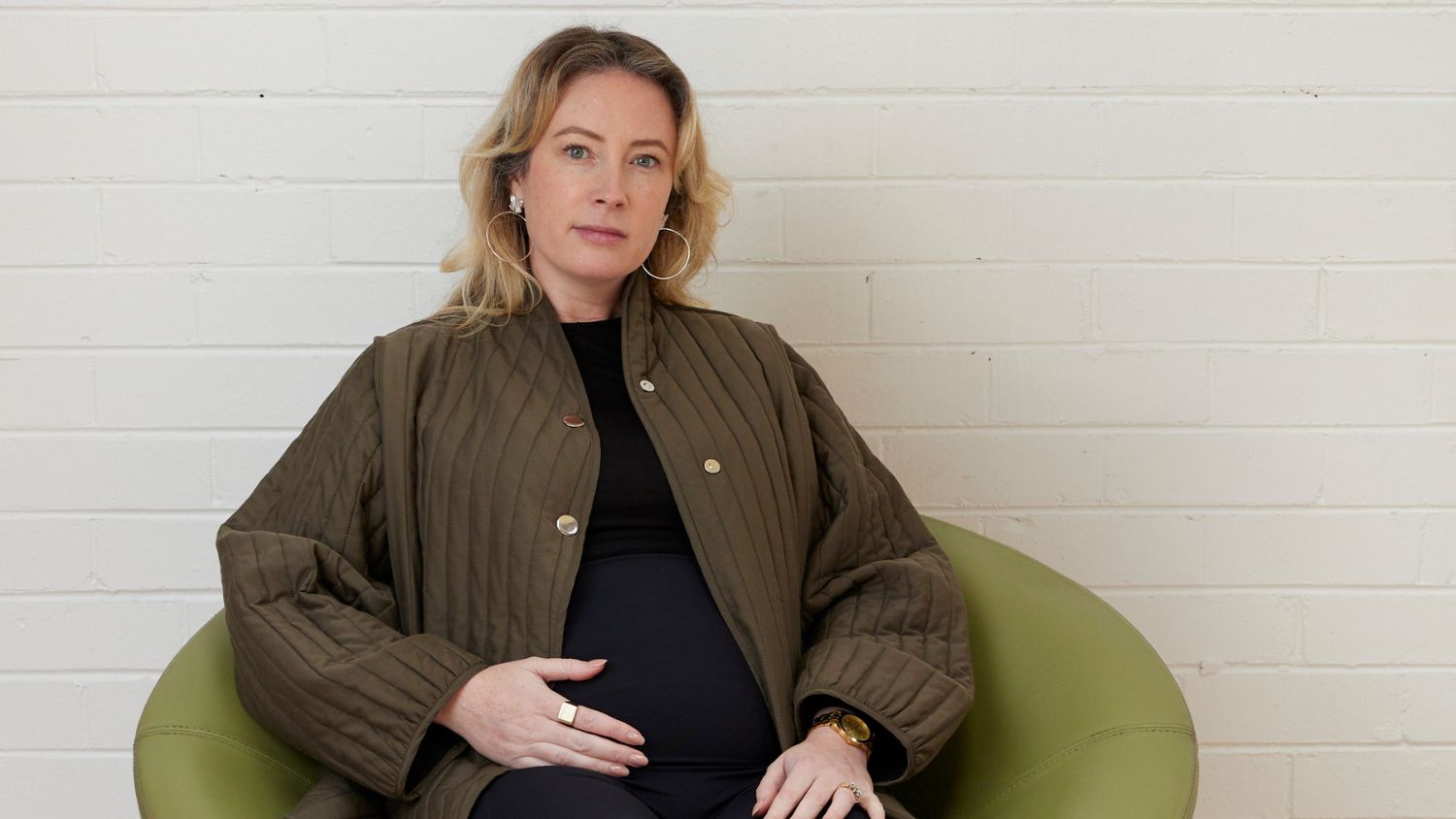
Breastfeeding While Pregnant or TTC: A Lactation Consultant's Guide
Pregnant and Breastfeeding: Your Guide to Tandem Feeding
Written by Joelleen Winduss Paye of JWP, Holistic Lactation Consultant, Midwife and Naturopath, with moode | Reviewed June 2026
This is Joelleen's professional guidance, shared as general information, not personal medical advice. Breastfeeding through preconception, pregnancy or fertility treatment is individual, so always discuss your own situation with your midwife, doctor or fertility specialist.
Planning to conceive but still breastfeeding? Already pregnant and still feeding? It's a situation far more common than the silence around it suggests, and one that comes with real questions. Holistic lactation consultant Joelleen Winduss Paye walks us through what you need to know about navigating tandem feeding.
Is it safe to breastfeed while trying to conceive?
Joelleen: Yes. There's no need to stop breastfeeding when trying for another pregnancy. One thing to keep in mind is that breastfeeds generally need to be at least six hours apart to allow ovulation to occur. There has been a small study suggesting breastfeeding may slightly increase the chance of miscarriage, but this relates to parents trying to conceive within six months postpartum and to high-risk pregnancies. As always, it's worth discussing your individual situation with your care provider.
Is it safe to breastfeed while undergoing IVF?
Joelleen: For those going through fertility treatment or IVF, the advice on continuing to breastfeed can differ from clinic to clinic, and there's very little research on it, so this is one to work through directly with your own clinic.
If you'd like peer support around continuing breastfeeding through treatment, there's a well-run, closely monitored private Facebook group called "Breastfeeding mums undergoing fertility treatment/IVF." For questions about specific medications and breastfeeding, a specialist pharmacist can be an excellent resource. (Confirm the named resources, including the Facebook group and any named pharmacist or institution, are happy to be referenced publicly before publishing.)
Is it safe to breastfeed while pregnant?
Joelleen: For most people, continuing to breastfeed during pregnancy won't harm you, your unborn baby, or your older child. The key thing to know is that it places increased demand on your body for nutrients, so nutritional intake becomes really important.
One common physical change is increased nipple and breast tenderness during the first trimester, which can be uncomfortable, and for some parents is the reason they choose to stop.
Care providers may advise against breastfeeding during pregnancy in higher-risk situations where uterine stimulation isn't advisable, for example a short cervix, low-lying placenta, or a history of recurrent miscarriage. It's worth knowing that many steps have to unfold for the body to go into labour, not just nipple stimulation, but if you're in a higher-risk category, this is an important conversation to have with your provider.
How can I support my body while feeding and growing a baby at once?
Joelleen: Calorie and nutrient intake become even more important when you're doing both jobs. Breastfeeding alone demands roughly an additional 500 calories a day, and meeting that can be genuinely challenging in the first trimester, when nausea, heightened sensitivity to smells and food aversions are all in play.
My advice: aim for electrolytes, a high-quality multivitamin, and nutrient-dense foods wherever you can manage them. And go gently on yourself, just do the best you can through this demanding phase.
Are there specific nutrients to focus on?
Joelleen: A few come to mind: iron, choline, omega-3s, and protein, which is incredibly important across both pregnancy and breastfeeding. Hydration is key too, since both milk production and pregnancy draw heavily on your water stores, so aim for three or more litres of water a day where possible.
Weaning during pregnancy
Is there an ideal time to wean during preconception or pregnancy?
Joelleen: Sometimes a parent, or the child, prefers to wean gradually over the course of the pregnancy. Around 16 weeks of pregnancy, breast milk begins reverting to colostrum, and as the taste changes, some older babies naturally start to wean. There can also be a drop in volume, which can affect an older baby's willingness to feed at the breast. Ultimately, weaning is a deeply personal choice, and it looks different for every parent and child.
How does tandem feeding work?
How will my body know to produce colostrum for my newborn and milk for my toddler?
Joelleen: Your body is remarkable here. It begins producing colostrum from around 16 weeks of pregnancy, and it innately knows to produce the milk your baby needs based on when they're born. Mothers of preterm babies, for instance, produce breast milk with different properties and quantities than those who birth at full term.
When it comes to balancing milk between a newborn and an older child both feeding, the newborn always takes precedence, with the older child taking what's left. If that older child is over 12 months, they'll also be getting their nutritional needs met through food.
How does tandem feeding work?
How will my body know to produce colostrum for my newborn and milk for my toddler?
Joelleen: Your body is remarkable here. It begins producing colostrum from around 16 weeks of pregnancy, and it innately knows to produce the milk your baby needs based on when they're born. Mothers of preterm babies, for instance, produce breast milk with different properties and quantities than those who birth at full term.
When it comes to balancing milk between a newborn and an older child both feeding, the newborn always takes precedence, with the older child taking what's left. If that older child is over 12 months, they'll also be getting their nutritional needs met through food.
moode answers your questions about breastfeeding while pregnant
Can you breastfeed while trying to conceive?
Generally yes. Breastfeeding doesn't need to stop when trying for another baby, though feeds may need to be spaced at least six hours apart to allow ovulation. There's limited evidence of a slightly raised miscarriage risk for those conceiving within six months postpartum or in high-risk pregnancies, so check with your provider.
Is it safe to breastfeed during pregnancy?
For most people with a low-risk pregnancy, yes, it won't harm you, your older child or your unborn baby. It does increase your nutrient demands, so good nutrition matters. It may be advised against in higher-risk situations such as a short cervix, low-lying placenta or recurrent miscarriage, so discuss your circumstances with your care provider.
What is tandem feeding?
Tandem feeding is breastfeeding two children of different ages at the same time, typically a newborn and an older sibling. Your body produces colostrum for the newborn (who takes precedence) while the older child takes what remains, supplementing with food if over 12 months.
How much extra should I eat when pregnant and breastfeeding?
Breastfeeding alone calls for roughly 500 extra calories a day, on top of pregnancy's increased needs. Focus on nutrient-dense foods, a quality multivitamin, electrolytes and plenty of water (aim for 3+ litres daily). Key nutrients include iron, choline, omega-3s and protein. Do the best you can, especially through first-trimester nausea.
When does breast milk change during pregnancy?
Around 16 weeks of pregnancy, milk begins reverting to colostrum, changing in taste and reducing in volume. This sometimes prompts an older baby to naturally wean, though many continue feeding. Weaning is a personal choice with no single right time.
A note from moode
As Joelleen makes clear, feeding and growing a baby at once places real demand on your nutritional stores, which is exactly where a quality prenatal earns its place. The Prenatal by moode contains calcium folinate, choline, iodine, zinc and a full B complex, the kind of support that matters most through pregnancy and breastfeeding, in an iron-free, copper-free formulation. (Iron is one of the nutrients Joelleen highlights, and since iron needs are individual, that's worth discussing with your practitioner, see our guide on iron in pregnancy.) Always read the label and follow directions for use.
About Joelleen Winduss Paye
Joelleen Winduss Paye is a Holistic Lactation Consultant, Midwife, Naturopath and Educator based in Melbourne. She is the founder of JWP, a holistic breastfeeding service offered both in person and online. You can find her at jwp.care and on Instagram at @jwp.care, where she shares supportive content for breastfeeding parents.
JWP blog series: Breastfeeding during pregnancy and beyond
Breastfeeding during pregnancy and beyond – Ariel, Henrietta & Montgomery