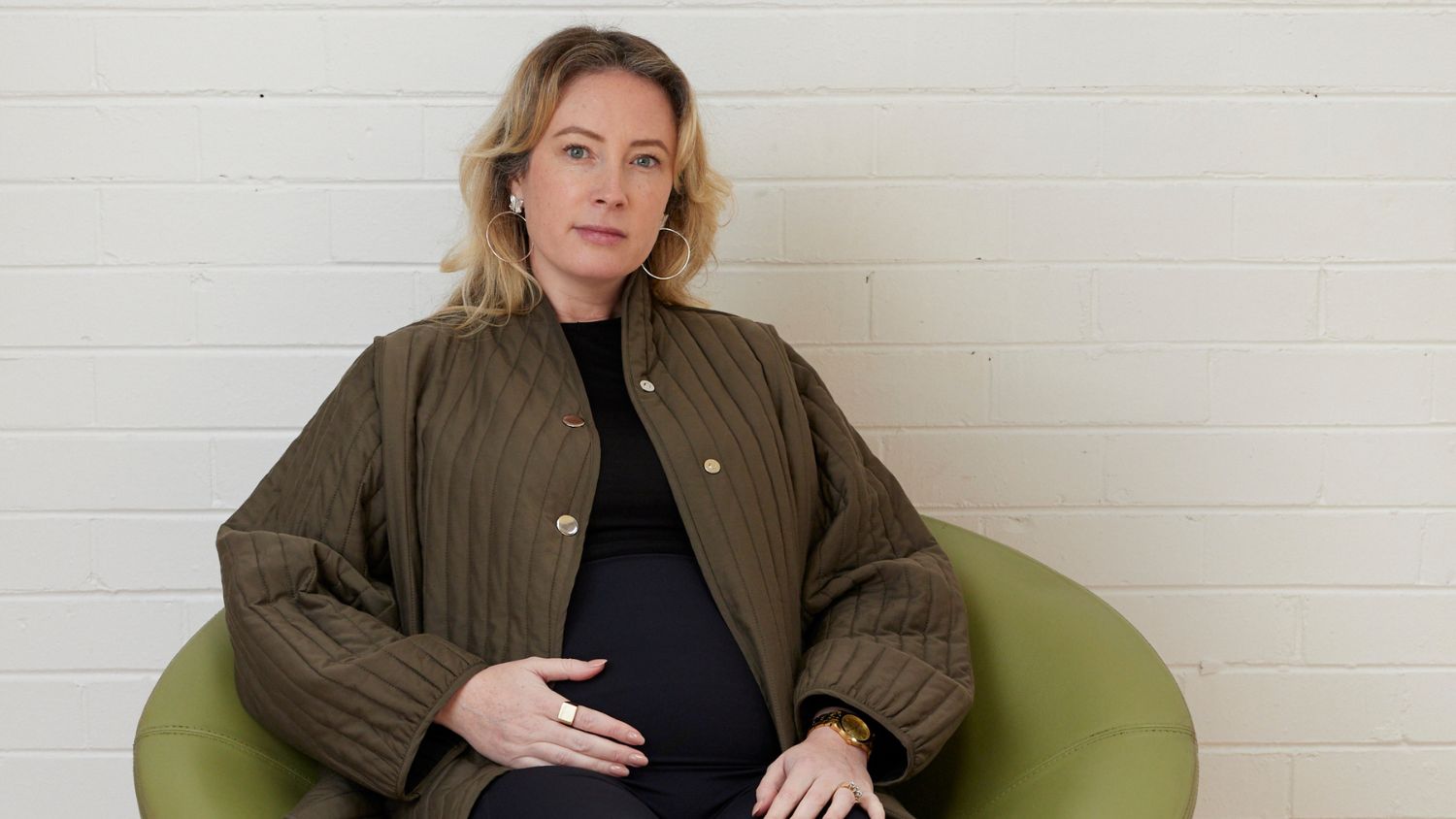
Breastfeeding While Pregnant or TTC: A Lactation Consultant's Guide
Pregnant and Breastfeeding: Your Guide to Tandem Feeding
Written by Joelleen Winduss Paye of JWP, Holistic Lactation Consultant, Midwife and Naturopath, with moode | Reviewed June 2026
Is it safe to breastfeed while TTC?
Joelleen: Yes! There is no need to stop breastfeeding when trying for a subsequent pregnancy. It's important to note that breastfeeds should be at least six hours apart to allow for ovulation to occur. There has been a small study to show that breastfeeding can cause a slight increase in miscarriage, however, this is for parents TTC under 6 months and in high-risk pregnancies.
Is it safe to breastfeed while undergoing IVF treatment?
Joelleen: For those going through fertility treatment/IVF, the advice to continue breastfeeding can be different in each clinic, and there is very little research on this. If you are needing support around continuing breastfeeding, there is an excellent private and highly monitored Facebook group run by Ali Thomas called Breastfeeding mums undergoing fertility treatment/IVF. Pharmacist Rodney White at Monash Medical Centre is also an expert in medications and breastfeeding, and will take inquiries over the phone.
Is it safe to breastfeed when pregnant?
Joelleen: Continuing to breastfeed during pregnancy won't affect you, your unborn baby, or your older child. Keep in mind that it does place an increased demand on the body for nutrients, so nutritional intake is crucial.
Nipple and breast tenderness increases during the first trimester and this can cause discomfort for the breastfeeding parent, sometimes leading to needing to stop breastfeeding.
Care providers may advise against breastfeeding during pregnancy if you are high risk and possible uterine stimulation is not advisable i.e. short cervix, low-lying placenta, recurrent miscarriage, however, many steps must unfold for the body to go into labour than just nipple stimulation.
How can I support my body while doing the dual job of feeding and growing a baby?
Calorie and nutrient intake become even more important with the increased demands of not only breastfeeding but then also pregnancy. Breastfeeding demands approximately an additional 500 calories per day, and this can be challenging particularly during the first trimester with nausea, increased sensitivity to smells and food aversions. Try for electrolytes, taking a high-quality multivitamin and nutrient-dense foods where possible – just do the best that you can during this unique phase.
Any specific nutritional recommendations here?
Some micro-nutrients that come to mind are iron, choline, omega 3s and protein is also incredibly important in pregnancy and breastfeeding. Hydration will also be key, as breastfeeding production and volume require water, as does pregnancy, so aim for 3+ litres of water per day where possible.
Weaning in pregnancy
Is there an ideal time to wean in preconception or pregnancy?
Sometimes a mum, or her child, prefers to wean gradually throughout the pregnancy.
Breastmilk reverts to colostrum at around 16 weeks of pregnancy, and this is when some older babies may naturally wean as the taste changes. There can be a reduction in volume and this can affect an older baby's willingness to feed at the breast. Weaning is such a personal choice and will be different for each parent and baby.
How does tandem feeding work?
How will my body know to produce colostrum for my newborn and milk for my toddler?
The body will produce colostrum from around 16 weeks of pregnancy and innately knows to produce the exact milk your baby needs, based on when they are born i.e. mothers of preterm babies have different quantities of properties in their breastmilk compared with mothers who birth full-term babies.
In terms of balancing the available milk when there are a newborn and older baby drinking from the breast, the newborn always takes precedence, leaving what is left for the older baby who will also be getting their nutritional needs from food if they are over 12 months.
Are there health benefits to feeding while pregnant?
Breastfeeding an older child may allow for more rest, as this can be a time to lay and snuggle, allowing your body some respite from the demands of caring for young children.
Breastfeeding can also be supportive of early labour, with the breast and nipple stimulation helping to release oxytocin to stimulate contractions and release endorphins to help ease their intense sensation.
After the newborn arrives, an older sibling can help to establish a milk supply and relieve engorgement, so this has its benefits too!
Additional resources
Facebook Group: Pregnant & Tandem Breastfeeders
JWP blog series: Breastfeeding during pregnancy and beyond
- Breastfeeding during pregnancy and beyond – Clare, Harriet & Edwina
- Breastfeeding during pregnancy and beyond – Ariel, Henrietta & Montgomery
- Breastfeeding during pregnancy – Constance & Sebastien
About the author: Joelleen Winduss Paye is a Holistic Lactation Consultant, Midwife, Naturopath & Educator based in Melbourne, Australia. She is the founder of JWP, a holistic breastfeeding service that is both in-person and online, and can be found at www.jwp.care and also at @jwp.care where she shares holistic and supportive content for breastfeeding parents.