"I'm One of the Lucky Ones": AJ on Racism, Pregnancy and Indigenous Healthcare in Australia
A note before reading: this article discusses racial discrimination experienced within the Australian healthcare system during pregnancy.
Last reviewed June 2026
A shameful reality of our generation is that white Australia has had more than 200 years to be educated on 65,000 years worth of Aboriginal history, heritage and hurt, but has come up very short indeed. Ignorance persists, and with it, a truly problematic lack of understanding of and respect for our First Nations people.
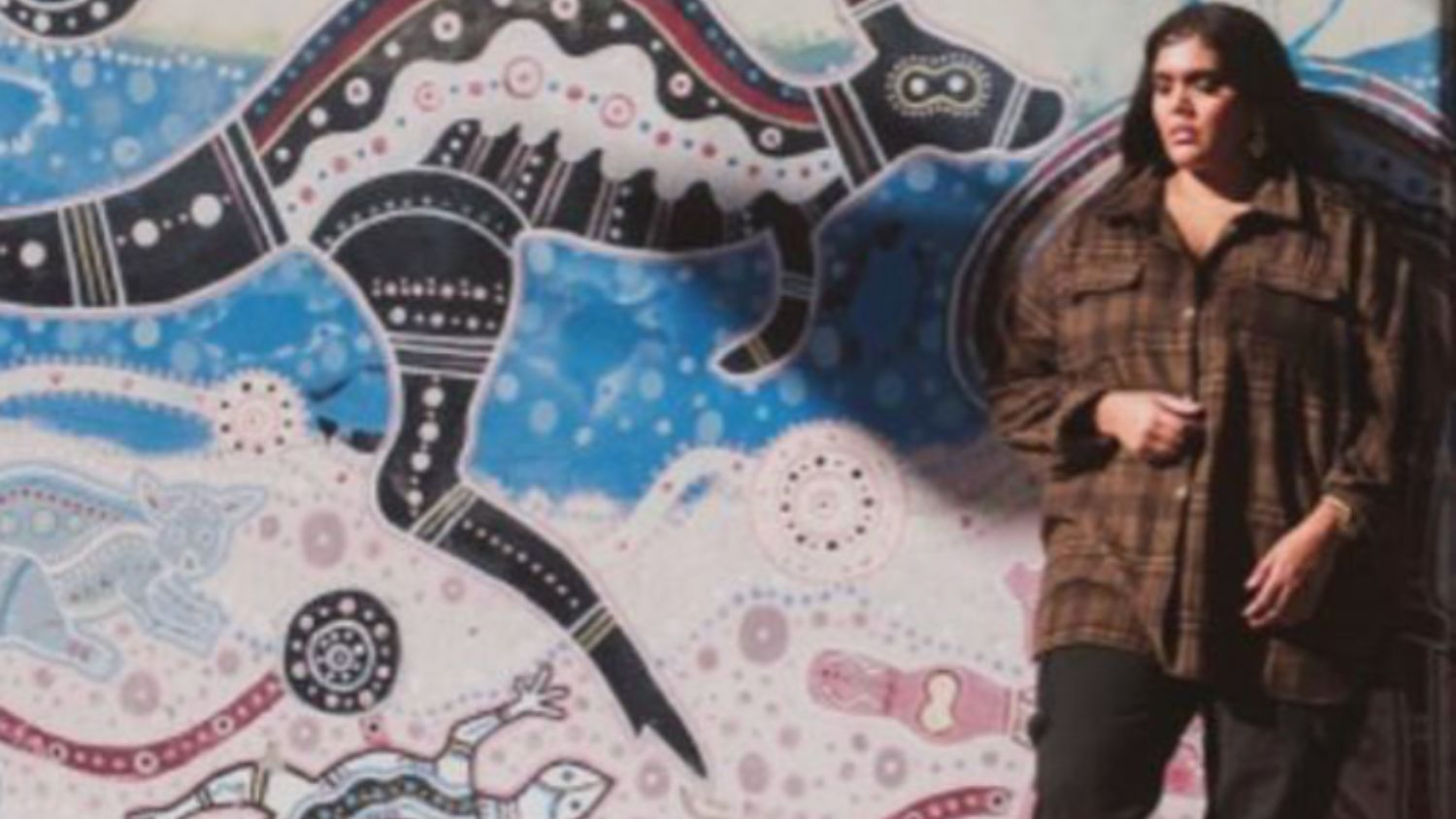
First Nations activist, PhD scholar and mum AJ is a Barkindji-Latji Latji-Buri Gubi and Wakka Wakka woman who has borne the brunt of those racist stereotypes for as long as she can recall.
"What scares me is I'm what you call one of the 'lucky' ones. I've heard horror stories from so many Indigenous women who have had traumatic prenatal care. It makes your skin crawl." (AJ)
Navigating the healthcare system as an Indigenous woman
"I have been stereotyped my entire life, even to this day, from shopping centres to doctors, you name it," AJ says. "The healthcare system is fraught with racial stereotypes that have persisted over the last couple of centuries, which position Indigenous women as having inferior capability when it comes to making the right or sound decisions for themselves."
AJ says those stereotypes were even more confronting when she was pregnant and accessing maternity healthcare.
"These micro-aggressions that I've been exposed to all my life were more confronting and offensive when I was pregnant, because I was so vulnerable. To receive this type of degradation during a time in my life when I was so emotional and weak truly disturbed me. What scares me is I'm what you call one of the 'lucky' ones. I've heard horror stories from so many Indigenous women who have had traumatic prenatal care. It makes your skin crawl."
In one routine appointment, a nurse showed AJ how to execute a blood sugar test in case she developed diabetes. Diabetes Australia reports that Aboriginal and Torres Strait Islander people are almost four times more likely than non-Indigenous Australians to have diabetes. But AJ's pregnancy was classified as normal, with no concerns for high blood sugar related conditions.
"I soon learnt that not all mothers were exposed to this presentation with beeping machines and prick tests. I was exposed to this simply because I was Aboriginal."
Equality of Care
For AJ, simply increasing awareness of institutionalised racism is not the solution, nor the priority. What matters is that stereotypes stop influencing the quality and equality of care extended to women during pregnancy, motherhood and generally.
"The notion of being aware of your stereotyping or racism simply doesn't matter," she says. "What matters is that it's 2021 and healthcare professionals have a duty of care in regards to Indigenous people. Exposing us to biased treatment that is offensive, traumatic and simply ignorant has to stop, and that begins on an individualistic level based on responsibility and care."
AJ is proud to be part of a growing number of Indigenous women using their voices to challenge the status quo and effect change. Together, these women aspire to a future where equal access to healthcare is everyone's right. But AJ believes that the voices of non-Indigenous women are critical to this chorus reaching an impactful crescendo.
"As Indigenous people to this country, our stories, cultures, knowledge and lifestyles have been marginalised and silenced throughout 200-plus years of brutal colonisation," she says. "Australians need to share the voices of Indigenous people on social media and in the everyday. Investigate where it would be appropriate to include an Indigenous person or perspective, such as your workplace, social groups and in regards to your family life. We need real solidarity, and we need it now."
Support and resources
*AJ's own work and platforms: Nhurali
If you are an Aboriginal or Torres Strait Islander woman seeking support during pregnancy or postpartum, Mudgin-gal is an Aboriginal organisation based in Redfern, Sydney, run by and for Aboriginal women. They deliver support, referrals and community-based services to Aboriginal women and families.
AJ also references Trading Blak, a collective of Aboriginal and Torres Strait Islander owned businesses calling for self-determination in Indigenous entrepreneurship. Learn more about their work and the Wear It Blak Wednesdays campaign via Reconciliation Australia.
For broader information on equitable maternity care options in Australia, see Prenatal Care Options: Australia.