The Hospital Bag, the Honest Edit: What to Actually Pack (and What to Leave Out)
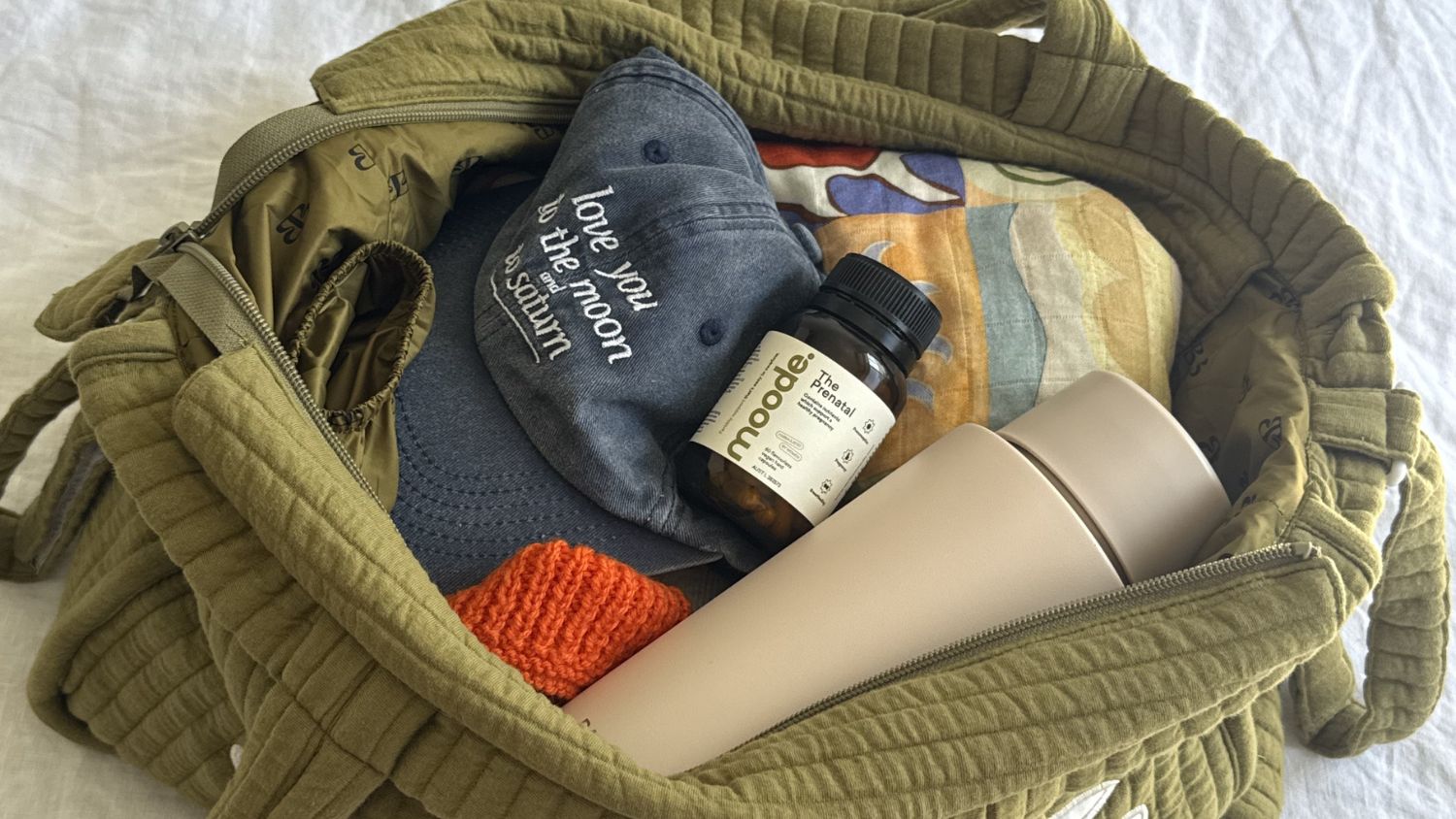
Most hospital bag lists are 50 items long. About half of them stay in the bag.
The problem with hospital bag content is not that there is not enough of it. Google it and you will find checklists that read like moving inventory. Nursing pads (four packs). Slippers (two pairs). A specific tea. That specific ice pack. A pillow. A different pillow.
By the time you have packed everything, you are carrying two bags to a birth suite where the most-used item will end up being your phone charger.
So instead of another checklist, this is the edit. What we would actually pack, grouped by what it does. Eleven items that earn their space, plus a bonus category most bag guides skip entirely. And at the end, the honest list of what to leave out. If you are still unsure about your birth options, see our guide on how to choose your prenatal care options in Australia.
The products below are independently chosen. These are genuine recommendations, not paid or affiliate placements — we do not earn a commission if you buy them.
When should I pack my hospital bag in Australia?
The consistent Australian recommendation, including from Better Health Victoria and Sunshine Coast Health, is to have your bag fully packed by 36 weeks. From that point your baby is considered full-term and could arrive at any time.
Start gathering items from around 32 to 34 weeks, when you still have energy and time, rather than leaving it to the final exhausted weeks. If you are carrying twins, have a high-risk pregnancy, or have a scheduled caesarean, pack earlier, ideally by 32 to 34 weeks.
The documents you cannot forget
These are not exciting, but they are the items that genuinely hold up the admission process if they are missing. Keep them in a separate ziplock bag at the top of your hospital bag.
- Medicare card
- Pregnancy health record or antenatal notes
- Private health insurance card if you have one
- Your obstetrician or midwife's contact details
- Your birth plan, printed twice
- Photo ID
- Any regular medication you take
Call your hospital or birth centre in advance to confirm what they provide. Most Australian public hospitals supply nappies, basic toiletries, maternity pads and a hospital gown. Private hospitals vary. Knowing what is already there tells you what you actually need to pack and what you do not.
What to pack for postpartum body recovery
Postpartum recovery starts in the first hours. The right items here get used more than almost anything else in the bag. For more on what the postpartum recovery reality actually looks like, see Women Are Wounded Postpartum.
Nipple care, breast massage, skin barrier. Multi-purpose, editorial packaging, backed by lactation consultants. Reach-for-it item from day one.
A postpartum essential most first-time mothers do not know about until they need it. Bare Mum's version is soft, considered, and designed by mothers who understand the recovery reality.
Handmade in Italy from 925 silver. Antimicrobial by nature, reusable forever. Every mother who has tried them recommends them. One of those items that quietly earns "why didn't anyone tell me about these" status.
What to wear in hospital and going home after birth
Comfort and access matter more than aesthetics, but aesthetics still matter. The pieces that live in your bag should be ones you would wear happily outside of hospital too.
The category benchmark for a reason. Button-down for feeding and skin-to-skin access, fabric that survives hospital laundering, cuts that do not compromise on dignity.
For wear right up until birth and even going home. Editorial cuts that read as fashion first, maternity second. The skirt that carries you from the hospital carpark to the first coffee catch-up, and keeps working through the first few months of feeding.
Same compression rating as hospital-issued TED stockings, but designed to look like something you would wear in real life. Genuinely reduces the risk of DVT during labour and postpartum swelling. The Australian College of Midwives recommends compression during long labours specifically.
What to drink during labour and after birth
Hospital hydration is more important than most people realise. The caloric and fluid demands of labour are significant, comparable in intensity to sustained endurance exercise. What you bring to drink matters.
Developed by a naturopath and midwife, this low-sugar, plant-based hydration powder is built specifically for the demands of pregnancy, birth and breastfeeding.
Melbourne-based, boutique 0% wine with genuinely complex flavour profiles. For the moment after, when a glass of something feels important but you are not ready for alcohol. Feels like an occasion.
Organic herbal blends designed to support milk supply in the days after birth. Sits on a bedside table without feeling medicinal. Small brand, considered packaging, real formulations.
What to pack for your newborn's first days
Two items for the first few days. This is deliberately short. Babies genuinely need less than the industry sells you.
Australian-designed and owned, Chekoh wraps are made from breathable bamboo blend fabric and certified hip-healthy by the International Hip Dysplasia Institute from birth. For the fourth trimester especially, having your hands free while your baby stays close is not a luxury, it is how you actually function.
Organic cotton, timeless in design, gentle on newborn skin. Nature Baby's all-in-ones have been a go-to for Australian parents for years because they are simple, well-made and actually hold up through repeated washing.
What to pack for your birth support person
Nobody writes to the partner, the mother, the sister, the friend holding your hand for the long hours. These three items go a long way.
A disposable camera
Nothing captures the first-day-of-life shots like a disposable does. Film grain, no filter, no perfect angle. The best photos of the first 24 hours are always the disposable ones. They look like memory feels. Kodak Fun Saver or Ilford XP2 both do the job.
A really good book
Not a magazine, not their phone. A book they have been meaning to read but have not. Long labours have long lulls. Something they would genuinely enjoy. Small kindness, big return.
A proper snack pack
Whatever they actually eat. Nuts, chocolate, a really good sourdough. Not a service-station sandwich. Hospital vending machines are grim, and support people rarely eat properly during a long labour.
What to leave out
The list nobody wants to write. Save the bag space.
- Full-face makeup. You will not do a full face. Bring tinted moisturiser and lip balm if you want anything. That is plenty.
- A specific nursing pillow. Hospitals have pillows. Bring one from home if you must, but a whole nursing pillow is packing luggage for someone else.
- More than one pair of shoes. Slippers or slides. That is it.
- A birth plan bound in a folder. Have one written down, absolutely. Print it once, keep it accessible. The elaborate presentation folder is unnecessary.
- Extra outfits for baby. Two changes of clothes is plenty. You will not need six growsuits for a three-day stay.
- A heat pack. Most hospitals will not let you use a microwave. Worth calling ahead if this was part of your birth plan.
Your complete hospital bag checklist
Eleven considered items for you and baby. Three considered items for the person supporting you. A shorter list of things to leave behind.
If you are packing your bag at 34 weeks and it is already close to the weight of your growing body, repack. The best hospital bag is the one you (read: your support person) can lift with one hand.
moode answers your questions about the hospital bag
What week should I pack my hospital bag in Australia?
The standard recommendation is to have everything packed by 36 weeks. From 36 weeks, your baby is considered full-term and labour can begin at any time. If you are having twins, have a high-risk pregnancy or a scheduled caesarean, aim for 32 to 34 weeks. Start gathering items from around 32 weeks when you still have the energy to do it thoughtfully.
Do I need a separate bag for my baby?
Many people find it easier to keep everything in one organised bag with separate pouches for mum and baby. If your bag is large, a separate small bag for baby items can help whoever is grabbing it in a hurry to find things quickly. Babies genuinely need very little for the first few days.
What documents do I need to bring to hospital for birth?
At minimum: Medicare card, your pregnancy health record or antenatal notes, private health insurance details if relevant, and your birth plan if you have one. Check with your specific hospital in advance, as requirements vary between public and private facilities.
How long will I stay in hospital after birth?
For a vaginal birth, most Australian hospitals discharge women after one to three days, depending on recovery. For a caesarean, the typical stay is three to five days. Private hospitals may offer longer stays. If you are uncertain, ask your obstetrician or midwife at your next appointment.
What does the hospital provide and what do I need to bring?
Most Australian public hospitals supply nappies, basic toiletries, maternity pads, formula if needed and a hospital gown for labour. Private hospitals vary significantly. Call your hospital or birth centre directly before packing to confirm exactly what is provided, as this will meaningfully change your list.
Should I pack snacks for labour?
Yes, for your support person especially. Hospital vending machines are unreliable and support people routinely forget to eat during long labours. Pack whatever they actually enjoy. For you, light, easily digestible options are best during active labour. Many women find appetite disappears during labour itself but want something immediately after birth.
Further reading from the moode journal
- Postpartum Sex: What Nobody Tells You and What Actually Helps
- Women Are Wounded Postpartum
- Why Prenatals Matter Postpartum
- 5 Essential Nutrients for Postpartum Nourishment

Jess Rosenberg is the founder of moode and trained in Nutrition and Naturopathy. She created The Prenatal after her own experience of pregnancy left her questioning the quality of what was available on the Australian market. Learn more about moode.
The best hospital bag is the one you can lift with one hand. Pack what earns its space, and leave the rest.