What Is a Preconception Diet? A Nutritionist's Guide to Eating for Fertility
Written by Monique Cormack, Fertility Nutritionist | Reviewed June 2026
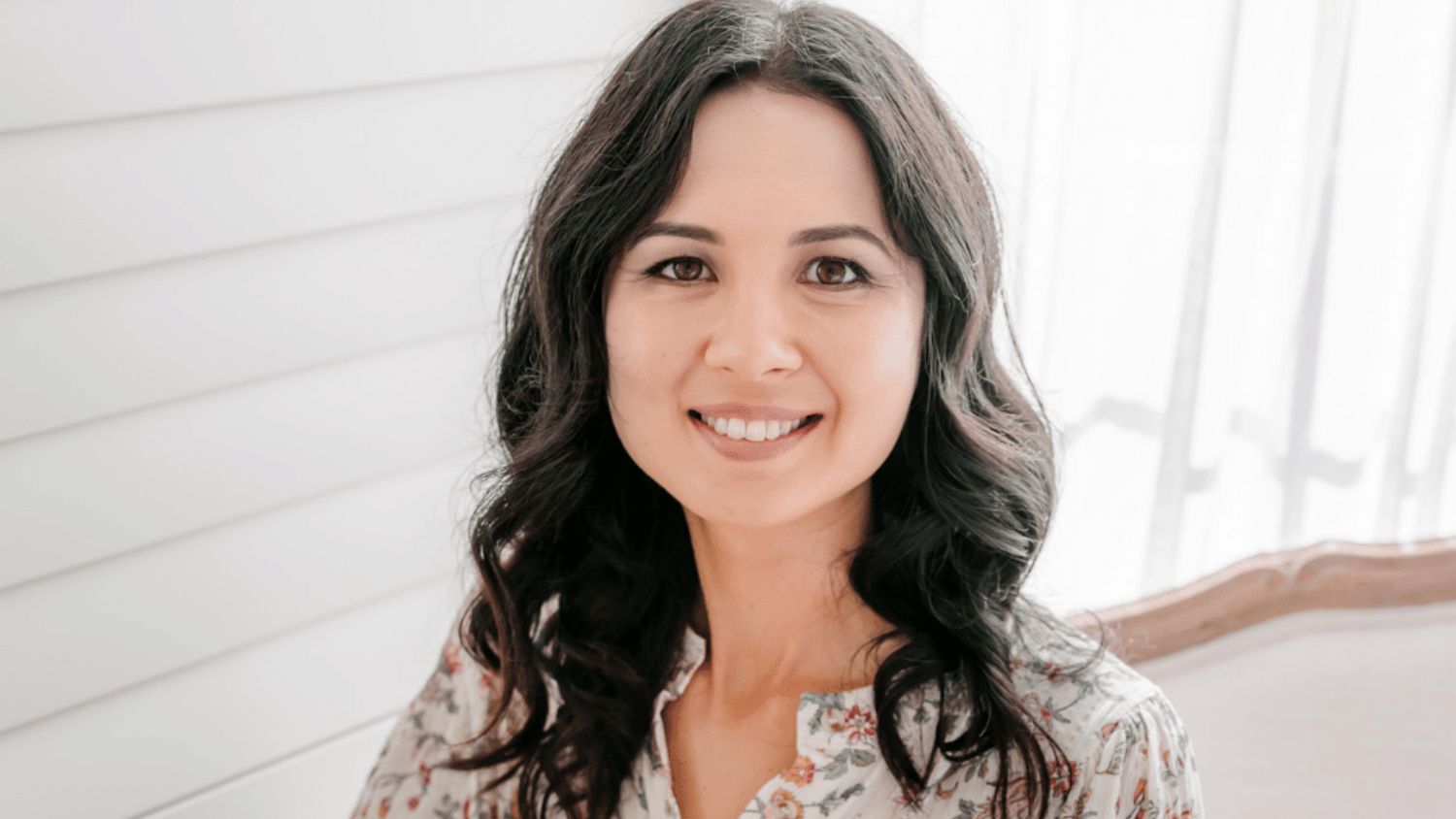
As an expert in creating simple preconception plans for people trying to conceive, Monique Cormack's work draws on research to create diet tweaks and changes that support optimal health and the body's ability to conceive.
And while a good preconception diet alone can't dictate whether or not we'll fall pregnant, investing the time in a preconception plan can influence overall health and support the body's ability to create a healthy pregnancy.
How can a preconception diet impact fertility outcomes?
"A healthy diet is one of the easiest, non-invasive and holistic ways to help balance reproductive hormones. Following a specific and healthy diet can kickstart pre-conception, improve fertility by supporting egg and sperm quality, implantation and improve the regularity of ovulation," Monique explains.
"Better still, these specific diets have other health benefits, long after you've conceived. Fertility is a wonderful opportunity for both parents to create healthy habits that will shape the nutrition and health of your family in the future."
Which diets boost fertility and support conception?
When discussing general fertility issues, Monique suggests the diet with the most evidence to support its success is the Mediterranean style diet.
"This pattern prioritises a lot of plant foods like fruit, veggies, nuts and legumes, seafood, a small amount of dairy (including fermented dairy) and just minimal amounts of red meats and processed/sugary foods," she explains.
Meal suggestion: Wild fish baked in oil, served with lots of greens, avocado, brown rice and sesame seeds.
When should I start a preconception diet?
According to Monique, "the best time to start is now" when it comes to adjusting your diet to suit your body, reproductive condition/s and conceiving timeline.
"Whether you have 6 or more months to do your preparation, or you want to start trying right away, positive change is still positive change. Especially for the person that will be pregnant, your positive changes are going to be beneficial not just for the preconception stage, but to nurture the baby as they grow."
How can I plan for conception if I have a reproductive health condition?
Having "perfect" reproductive health is unfortunately out of the realm of possibilities for many women. Reproductive health issues such as polycystic ovarian syndrome (PCOS), endometriosis, thyroid conditions and having a low egg count can have a huge impact, not only on a woman's body, but it can also hinder the ability to conceive.
In Australia alone, fertility problems affect around 1 in 6 Australian couples. Thankfully, advancements are continuing to progress within the fertility space and conversations around how to best manage reproductive health conditions are deepening. It's great to see that further research and awareness is being conducted — for endometriosis in particular.
If you're living with PCOS, endometriosis, a thyroid condition or low egg count and trying to conceive, working with a fertility nutritionist like Monique can provide specific dietary guidance tailored to your condition.
About Monique Cormack
Monique Cormack is a fertility nutritionist specialising in preconception planning, reproductive health conditions and evidence-based dietary support for conception. Visit moniquecormack.com to work with Monique or explore her resources.