Should I Take Iron in Pregnancy? Why Routine Supplementation Isn't Recommended
If you love to read tiny fine print, then check out the ingredient panel on the back of your vitamin bottle. If you squint and hold it real close, you'll likely spot iron on the list of included vitamins and minerals.
Current clinical research however recommends we don't routinely supplement this one, and instead take separate iron capsules or tablets if iron deficiency or iron deficiency anaemia is clinically diagnosed.
Is this a prenatal trend we should consider?
Iron in pregnancy
It's likely we'll need to supplement iron at some point in pregnancy.
- Our iron needs increase more than any other nutrient requirement in pregnancy, with our bodies demanding 3 x more iron than our pre-pregnancy state
- There is particular demand for the mineral in our second and third trimesters
Adequate iron levels are needed in pregnancy to assist with healthy conception, to support postpartum recovery, and to provide solid stores for breastfeeding. If not monitored carefully, we run the risk of impacting the growth and cognitive development of baby.
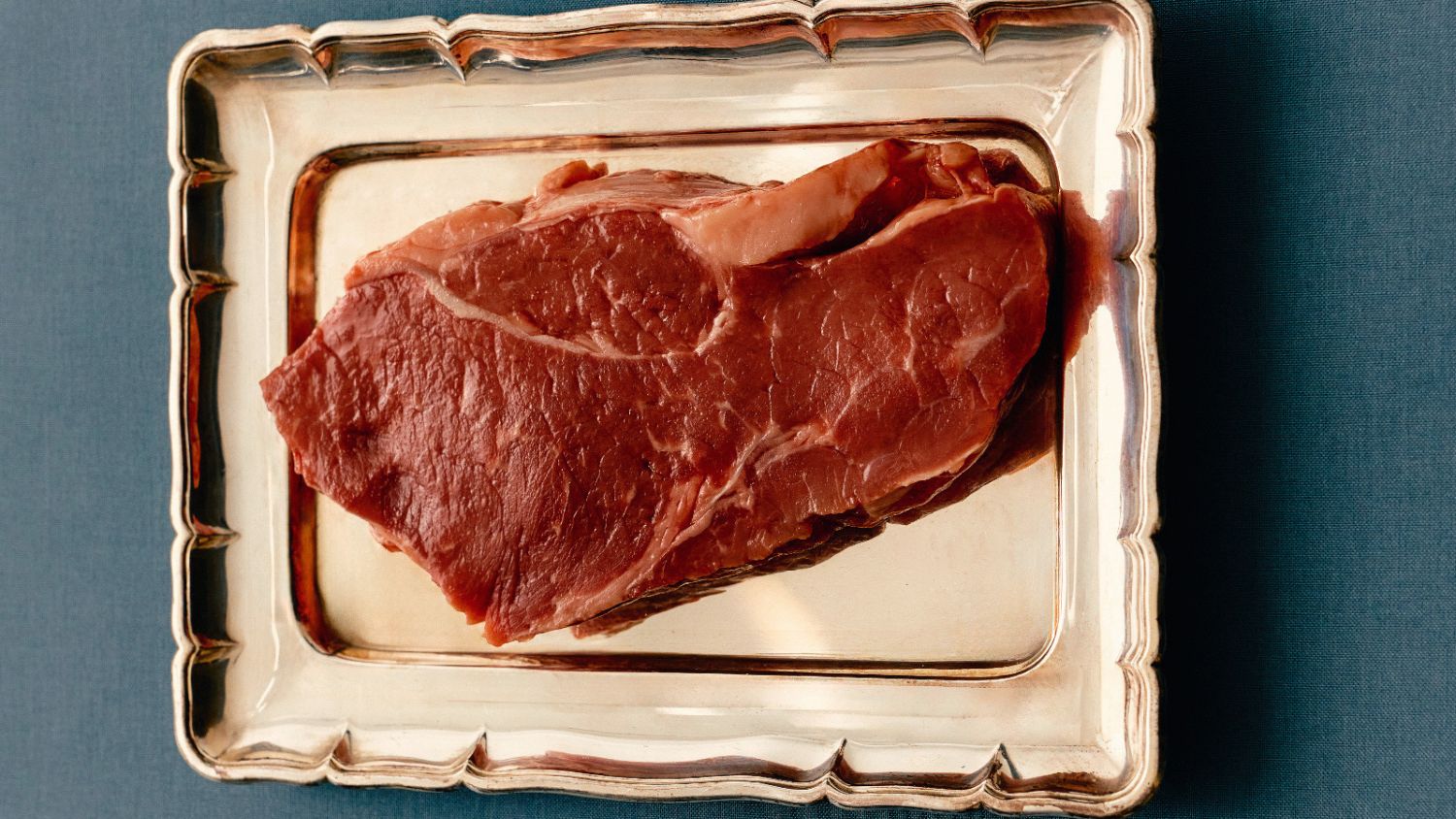
Demand here can't always be met with a steak.
Separating iron from our multis could be the personal touch missing from mainstream prenatals.
What's all the fuss about?
Routine iron supplementation during pregnancy is not recommended in Australia, the United Kingdom, New Zealand, and the United States. Instead, Australian practitioners offer routine blood tests at the initial prenatal appointment, and again at 28 weeks before making recommendations about iron.
Why all the fuss? Because there are potential health concerns associated with consuming supplemental iron beyond our body's needs:
- Iron toxicity can occur in individuals with Haemochromatosis
- Excessively over consuming supplemental iron has been linked to impaired fetal development and spontaneous fetal loss
Recommendations
Doses
An iron deficiency, or iron deficiency anaemia diagnosis may require supplements at higher doses than can be found in common multivitamins. The Royal Australian and New Zealand College of Obstetricians and Gynaecologists recommend:
- Iron deficiency without anaemia: a low dose of elemental iron between 20–80 mg daily may do the trick.
- In iron deficiency anaemia cases, a much higher therapeutic dose is necessary. If this doesn't boost levels, bring on the IV.
Forms
Not all forms are created equal here. Common digestive discomforts associated with iron supplements (black stools, heartburn, constipation, nausea) may be the result of taking forms that don't suit your body.
Look closely at your ingredient panel – amino chelated forms, such as ferrous bisglycinate, are considered superior, as they avoid causing gastrointestinal upset when metabolising.
Separating iron from our multis and considering it worthy of standalone supplementation could be the personal touch missing from mainstream prenatals. An individualised iron plan ensures we supplement with the amount we actually need, when we need it. And we don't take anything unnecessary. And that's something worth considering.